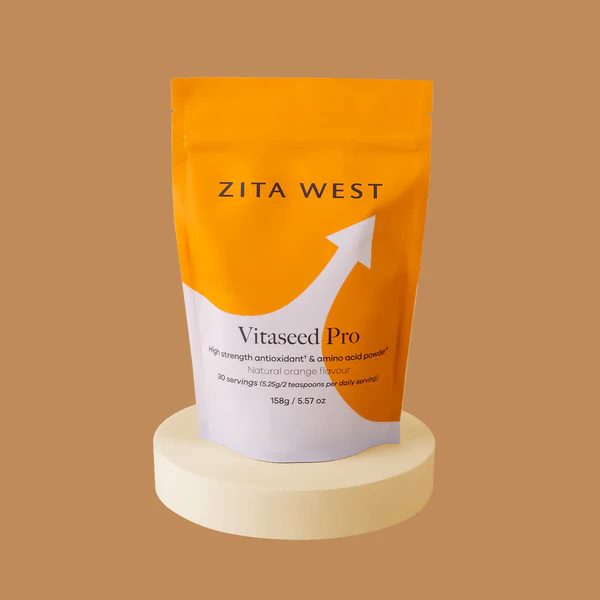
Vitaseed Pro: Advanced Nutritional Support for Men’s Reproductive Health
In today’s fast-paced world, taking care of your health can sometimes take a back seat - especially when it comes...
Article
Posted on
Coenzyme Q10 (CoQ10) is a crucial nutrient for cellular energy production and is gaining attention for its role in fertility health. Whether you are just starting your fertility journey, facing challenges, or pursuing assisted reproductive techniques like IVF, CoQ10 may be a valuable addition to your supplement plan.
This guide explains why CoQ10 is important for both natural conception and assisted fertility methods.
Not all CoQ10 supplements are equal. Research shows that Kaneka Ubiquinol, the form used in Zita West's CoQ10 supplement, is up to 70% more bioavailable than standard CoQ10. Read the research here.
Shop Kaneka Ubiquinol CoQ10 Book a free 1:1 consultationCoQ10, short for coenzyme Q10, is a powerful antioxidant naturally produced in the body, essential for energy production within cells. As we age, natural CoQ10 levels decline, potentially affecting cellular health, including that of reproductive cells like eggs and sperm. Supplementing with CoQ10 can help support the energy requirements of these cells, which is critical for conception.

There are several reasons why CoQ10 is particularly relevant for fertility:
For women, CoQ10 is particularly relevant for supporting egg quality, especially for those over 35 where ovarian ageing accelerates and reduces both the quality and quantity of eggs. In a recent study, CoQ10 levels in women with premature ovarian insufficiency (POI) were compared to those with normal ovarian function. Women with POI had a lower ratio of CoQ10 to total cholesterol, suggesting that reduced CoQ10 levels may increase the risk of POI through oxidative stress.
By supporting cellular energy and protecting eggs from oxidative damage, CoQ10 may benefit fertility in the following ways:
Male fertility is equally supported by CoQ10. This antioxidant has been shown to improve sperm motility and concentration, both critical factors for conception. CoQ10 increases energy production within sperm cells and protects them from oxidative stress, which can damage DNA and reduce fertility.
In a recent study, CoQ10 supplementation led to significant improvements in sperm quality and higher conception rates.

Not all CoQ10 supplements are equal. When looking for the best CoQ10 for fertility, the two most important factors are form and bioavailability.

Derived from Kaneka Q10, an all-natural yeast-fermented and bio-identical CoQ10. Each two capsule serving provides 200mg of ubiquinol. Available in 60 and 120 capsule sizes. Research shows Kaneka Ubiquinol is up to 70% more bioavailable than standard CoQ10 supplements.
Shop nowEach two capsule dose provides 200mg of CoQ10, which is based on the latest research for natural conception. For those who have been advised to take a higher dose of 400 to 600mg, we recommend splitting servings throughout the day and avoiding taking them at night. Always consult with a healthcare provider for individual dosage guidance. For a full breakdown of dosage recommendations, read our CoQ10 dosage guide here.
CoQ10 can benefit a range of individuals on their fertility journey:
Starting CoQ10 at least three months before trying to conceive or beginning fertility treatments gives the supplement time to support egg and sperm quality through a full development cycle. Continuing supplementation throughout your fertility journey is generally recommended for ongoing benefits. For a full guide to timing, read our CoQ10 timing guide here.
CoQ10 is generally safe and well tolerated. Some individuals may experience mild digestive discomfort, particularly at higher doses. Always speak with a healthcare provider before beginning any new supplement, especially if you are undergoing fertility treatments or have existing health concerns.
CoQ10 is a well-researched fertility supplement for those looking to optimise their reproductive health, from natural conception to IVF. Its role in cellular energy production and antioxidant support makes it particularly relevant for egg and sperm quality. If you would like personalised guidance on whether CoQ10 is right for your situation, book a free 1:1 fertility product consultation with our team.
This content is for educational purposes only and is not intended to diagnose, treat, or replace medical advice. Always consult your healthcare provider before starting any new supplement.