PCOS Has Been Renamed PMOS: What It Means for Your Hormones and Fertility
PCOS is now PMOS. Here is what the new name means for your hormones, fertility and wellbeing.
Article
Posted on
Male infertility affects approximately 1 in 7 couples in the UK, with around 40 to 50% of these cases attributed to male factors including low sperm count or poor sperm quality. Nutrition plays a significant role in supporting sperm health, and specific nutrient-rich foods may meaningfully support fertility outcomes.
Incorporating these seven foods into a male fertility-focused diet may support sperm count, motility and overall reproductive health.
Alongside diet, targeted nutritional supplements may help address specific gaps in male fertility nutrition. Zita West Vitamen is our comprehensive male fertility multivitamin, containing zinc, folate, CoQ10 and other key nutrients for sperm health. If you would like personalised guidance on which supplements are right for your situation, book a free 1:1 fertility product consultation with our team.
Shop Vitamen Book a free 1:1 consultation
Oysters are one of the richest dietary sources of zinc, which is essential for testosterone production and sperm motility. Men who consume adequate zinc may have a better chance of maintaining optimal sperm count and quality. Research has found that zinc deficiency in men may lead to a reduction in sperm quality, and that zinc plays a key role in male reproductive function. Other good sources of zinc include beef, pumpkin seeds and legumes for those who do not eat shellfish.

Walnuts are an excellent plant-based source of omega-3 fatty acids. A randomised controlled trial published in Biology of Reproduction found that consuming 75 grams of walnuts daily for 12 weeks improved sperm vitality, motility and morphology in healthy young men. The high antioxidant content in walnuts may also help protect sperm from oxidative damage, which is one of the key drivers of poor sperm quality.

Dark leafy greens such as spinach, kale and broccoli are packed with folate (vitamin B9), which is important for DNA synthesis and healthy sperm production. According to research from the University of California, Berkeley, men with the highest folate intake had around a 20% lower incidence of chromosomal abnormalities in sperm compared to men with low folate intake. Folate also contributes to the genetic quality of sperm, which is important for a healthy pregnancy.

Salmon is high in both omega-3 fatty acids and vitamin D, both of which may support sperm motility and testosterone production. A review published in the World Journal of Men's Health found that vitamin D may have a positive effect on male fertility potential, with evidence pointing to better sperm motility in men with higher vitamin D levels, though the authors note the evidence base is still developing. Other oily fish including mackerel, sardines and trout provide similar benefits.

Eggs provide high-quality protein and are rich in vitamin E and B vitamins, both of which are important for healthy sperm production. Vitamin E may help protect sperm cells from oxidative stress. A double-blind randomised trial published in F&S Reports found that vitamin E supplementation in men from infertile couples was associated with a higher live-birth rate per IVF transfer, suggesting a potential role in supporting male reproductive outcomes. Eggs are also one of the richest dietary sources of choline, which supports sperm membrane structure and motility.

Dark chocolate contains L-arginine, an amino acid that may support sperm count and semen volume. A review published in Antioxidants found that oxidative stress is a major contributor to male infertility and that dietary antioxidants — including those found in high-cocoa foods — may help protect sperm DNA from oxidative damage. Choose high-cocoa varieties (70% or above) for the greatest antioxidant benefit.

Pomegranates are among the richest dietary sources of antioxidants, which may help protect sperm from oxidative damage. Preclinical research, including a study published in Toxicology and Industrial Health, has found associations between pomegranate consumption and improvements in sperm quality and antioxidant activity, though this research has been conducted in animal models and human trials are still limited. The antioxidant polyphenols in pomegranate — including punicalagins and ellagic acid — are thought to underpin these effects. Pomegranate seeds also make a useful addition to salads, yoghurt or smoothies.
While diet provides the foundation, targeted supplements may help address specific nutritional gaps that are difficult to meet through food alone. The nutrients most relevant for male fertility are zinc, folate, CoQ10 and omega-3, each supporting different aspects of sperm health.
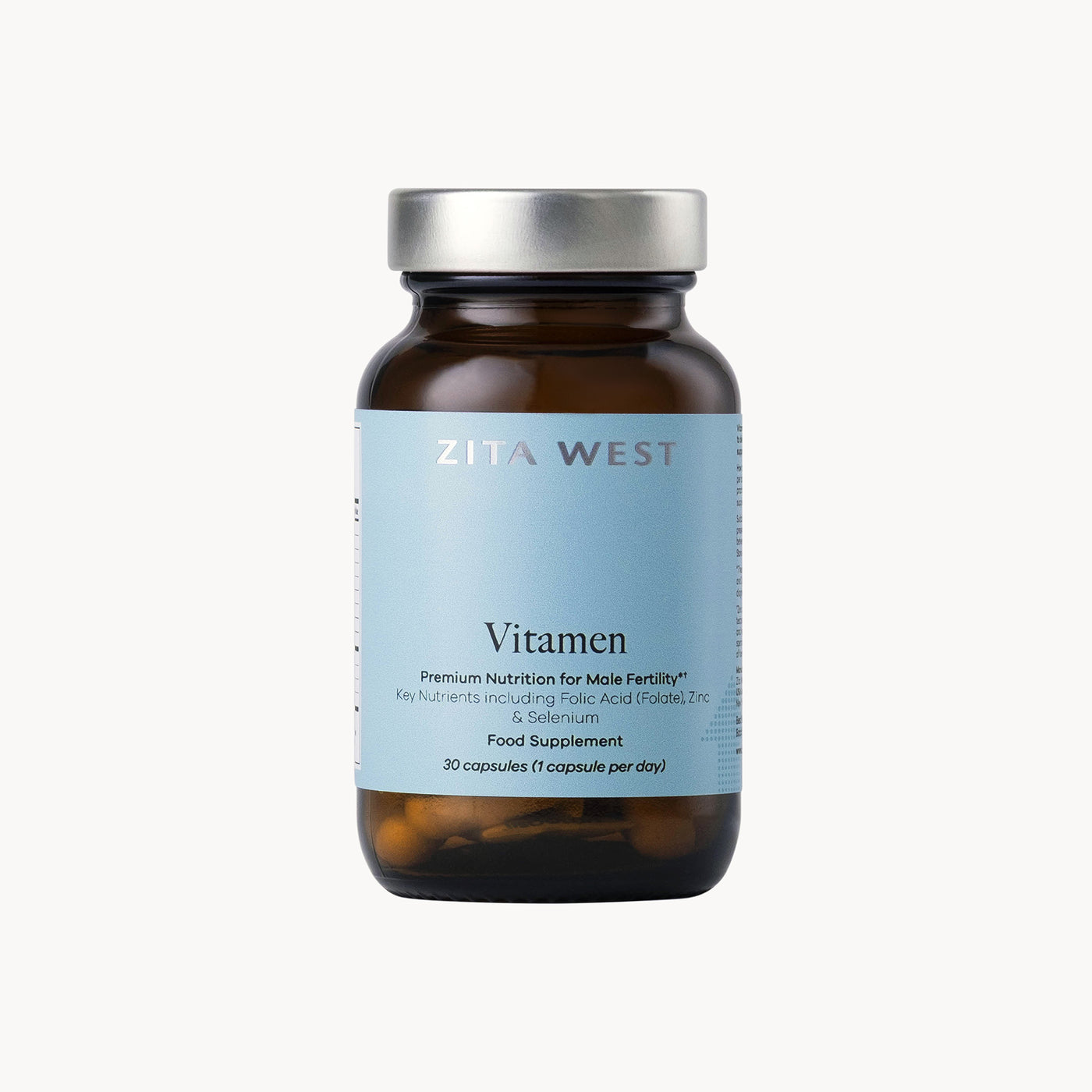
A comprehensive male fertility multivitamin containing zinc, folate, CoQ10, vitamin D, selenium and other key nutrients for sperm count, motility and DNA integrity. Designed to complement a fertility-focused diet.
Shop VitamenFor additional targeted support, the following supplements may be worth considering alongside Vitamen:

Sperm development requires significant mitochondrial energy. Kaneka Ubiquinol is up to 70% more bioavailable than standard CoQ10 and may support sperm motility and DNA protection. 200mg per serving.
Shop CoQ10
An ultra-pure omega-3 supplement providing DHA and EPA. Formulated to help protect DNA from oxidative damage during preconception and to support normal sperm production. Does not contain vitamin A.
Shop Vital DHAAlongside diet and supplementation, several lifestyle factors may support sperm health:
The seven foods with the strongest evidence for supporting sperm health are oysters (zinc), walnuts (omega-3 and antioxidants), leafy greens (folate), salmon (omega-3 and vitamin D), eggs (protein, vitamin E and choline), dark chocolate (antioxidants and L-arginine) and pomegranates (antioxidants). Each supports different aspects of sperm production, motility or DNA protection.
Sperm development takes approximately 74 days from start to finish, meaning dietary changes take at least two to three months to influence sperm quality measurably. Starting dietary and supplement improvements at least three months before trying to conceive is generally recommended.
The most research-supported nutrients for male fertility are zinc, folate, CoQ10, omega-3 fatty acids, vitamin D, vitamin E, selenium and antioxidants. Zita West Vitamen covers the majority of these in a single daily supplement.
Research suggests CoQ10 may support sperm motility and protect sperm from oxidative damage by supporting mitochondrial energy production. Ubiquinol, the active form, is generally preferred for fertility use due to its superior bioavailability. Read our guide to CoQ10 and male fertility here.
Yes. Male fertility contributes significantly to conception outcomes and early pregnancy health. A targeted male fertility supplement plan alongside a healthy diet gives both partners the best foundation. If you would like personalised guidance, book a free 1:1 fertility product consultation with our team.
External references: NHS: Infertility
This content is for educational purposes only and is not intended to diagnose, treat, or replace medical advice. Always consult your healthcare provider before starting any new supplement.

PCOS is now PMOS. Here is what the new name means for your hormones, fertility and wellbeing.

How chronic inflammation quietly affects fertility, and what to do about it.

What sperm DNA fragmentation means and how to support healthy sperm before conception.