PCOS Has Been Renamed PMOS: What It Means for Your Hormones and Fertility
PCOS is now PMOS. Here is what the new name means for your hormones, fertility and wellbeing.
Article
Posted on
Evidence suggests that sperm quality is declining globally. Issues of low sperm count, poor motility and high rates of abnormal morphology contribute to male factor infertility, which is implicated in up to 50% of cases where couples are struggling to conceive. In some cases sperm analysis appears normal but additional testing reveals DNA fragmentation, meaning sperm cannot fertilise the egg effectively.
Targeted nutritional supplementation is one of the most practical ways to support sperm health, and several supplements have been studied in clinical research for their potential benefits. Here is what the science currently supports.
Zita West Vitamen is our comprehensive male fertility multivitamin, covering the majority of the nutrients discussed on this page in a single daily supplement. For men preparing for IVF, the Ultimate Male IVF Support Pack provides a more comprehensive protocol including CoQ10, inositol, omega-3, vitamin D and more.
Shop Vitamen Shop Ultimate Male IVF Pack
CoQ10 is one of the most researched supplements for male fertility. It is an antioxidant that plays a central role in mitochondrial energy production, which is directly relevant to sperm motility. Sperm cells require significant amounts of ATP to power their movement, and CoQ10 is essential to this process.
Clinical research suggests CoQ10 supplementation may improve sperm motility, concentration and morphology. Ubiquinol, the active form of CoQ10, is up to 70% more bioavailable than standard ubiquinone and is generally preferred for fertility use. Read more about CoQ10 and sperm motility here.

Uses the Kaneka form of ubiquinol, up to 70% more bioavailable than standard CoQ10. 200mg per serving. Relevant for men looking to support sperm motility and protect sperm from oxidative damage.
Shop CoQ10Zinc is essential for normal sperm production and function. It plays a role in testosterone synthesis, sperm maturation and protecting sperm from oxidative stress. Research has consistently linked zinc deficiency with reduced sperm count, poor motility and abnormal morphology. Studies suggest that zinc supplementation may improve semen parameters in men with deficiency.1
Dietary sources of zinc include oysters, beef, pumpkin seeds and legumes, though supplementation is often used to ensure consistent intake at the levels associated with benefit.
Folate (vitamin B9) is important for DNA synthesis and repair, and contributes to the genetic quality of sperm. Research from the University of California, Berkeley found that men with low folate intake had a 20% higher incidence of sperm abnormalities compared to men with adequate levels.2
We recommend the bioavailable form folate rather than synthetic folic acid, as some men may have MTHFR gene variants that reduce their ability to convert folic acid effectively. Zita West supplements use Quatrefolic, a patented bioavailable form of folate. Learn about the difference between folate and folic acid here.
Oxidative stress is one of the most significant contributors to poor sperm quality, affecting motility, morphology and DNA integrity. Several antioxidant nutrients have research support in this area:
To learn more about the role of antioxidants in sperm health, read our guide to antioxidants and male fertility here.

A targeted antioxidant blend for men, formulated to help protect sperm from oxidative stress and DNA damage. Relevant for men looking to provide additional antioxidant support alongside a male fertility multivitamin.
Shop Vitaseed Pro
L-Carnitine is an amino acid derivative important for energy metabolism in sperm cells. It is found in high concentrations in the epididymis, where sperm mature, and plays a role in supporting sperm motility by facilitating the transport of fatty acids into mitochondria for energy production. Some clinical studies have shown improvements in sperm motility with L-carnitine supplementation, particularly in men with low motility.
Omega-3 fatty acids, particularly DHA, are important for the fluidity and integrity of sperm cell membranes. DHA is the predominant fatty acid in sperm and is important for the structural changes sperm undergo during fertilisation. Research suggests omega-3 supplementation may support sperm count, motility and morphology.

An ultra-pure omega-3 supplement providing DHA and EPA. Formulated to help protect DNA from oxidative damage and support normal sperm production. Does not contain vitamin A.
Shop Vital DHAVitamin D deficiency is common, particularly in the UK, and has been associated with reduced sperm motility and lower testosterone levels. Research suggests that men with adequate vitamin D levels tend to have better sperm quality and higher testosterone than those who are deficient. A daily vitamin D supplement is a simple and low-cost addition to a male fertility plan.
Rather than piecing together individual supplements, a targeted male fertility multivitamin covers the majority of these nutrients in a single daily product.
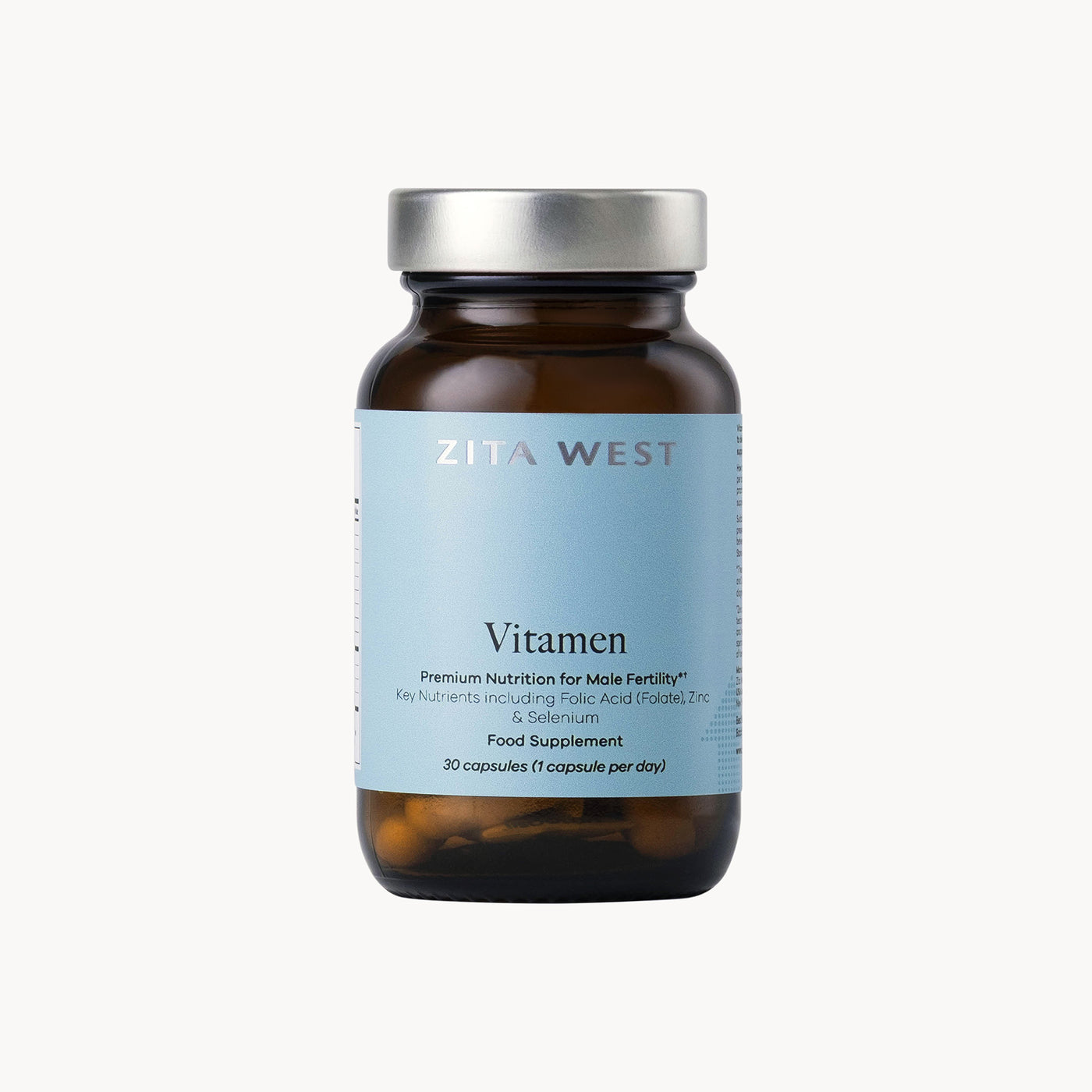
A comprehensive male fertility multivitamin containing zinc, Quatrefolic folate, CoQ10, vitamin D, selenium, vitamin C, vitamin E and other key nutrients for sperm count, motility and DNA integrity.
Shop Vitamen
A comprehensive protocol for men preparing for IVF, including essential multivitamins, minerals, omega-3, CoQ10, inositol, vitamin D and friendly bacteria. Everything recommended for men going through assisted reproduction.
Shop the Ultimate Male IVF PackFor more on nutrition and male fertility, read our guide to the 7 best foods for male fertility here, or try Zita's antioxidant avocado smoothie recipe here.
The nutrients with the strongest evidence for male fertility are CoQ10, zinc, folate, antioxidants (vitamins C and E, selenium, NAC), omega-3 fatty acids, vitamin D and L-carnitine. Zita West Vitamen covers the majority of these in a single daily supplement, and Vitaseed Pro provides additional targeted antioxidant support.
Sperm development takes approximately 74 days, meaning nutritional changes take at least two to three months to influence sperm quality measurably. Starting supplements at least three months before trying to conceive or before an IVF cycle gives the best chance of seeing meaningful improvements.
Yes. Male fertility contributes significantly to conception outcomes and early pregnancy health. Both partners supplementing appropriately gives the best overall foundation. If you would like personalised guidance, book a free 1:1 fertility product consultation with our team.
Yes. CoQ10 is one of the most researched supplements for sperm health, with evidence suggesting it may support motility and protect sperm from oxidative damage. Ubiquinol, the active form, is generally preferred due to its superior bioavailability. Zita West Kaneka Ubiquinol CoQ10 uses the most bioavailable form available.
Folic acid is the synthetic form of vitamin B9 that requires conversion by the body. Folate is the bioavailable form that does not require conversion and may be more reliably effective, particularly for men with MTHFR gene variants. All Zita West supplements use Quatrefolic, a patented bioavailable form of folate. Read more about folate vs folic acid here.
External references: NHS: Infertility
This content is for educational purposes only and is not intended to diagnose, treat, or replace medical advice. Always consult your healthcare provider before starting any new supplement.

PCOS is now PMOS. Here is what the new name means for your hormones, fertility and wellbeing.

How chronic inflammation quietly affects fertility, and what to do about it.

What sperm DNA fragmentation means and how to support healthy sperm before conception.